
QUEZON CITY (PIA) — The Department of Social Welfare and Development (DSWD) is set to enroll an additional 500,000 beneficiaries from the waitlist of the Social Pension for Indigent Senior Citizens (SPISC) starting this 2026.
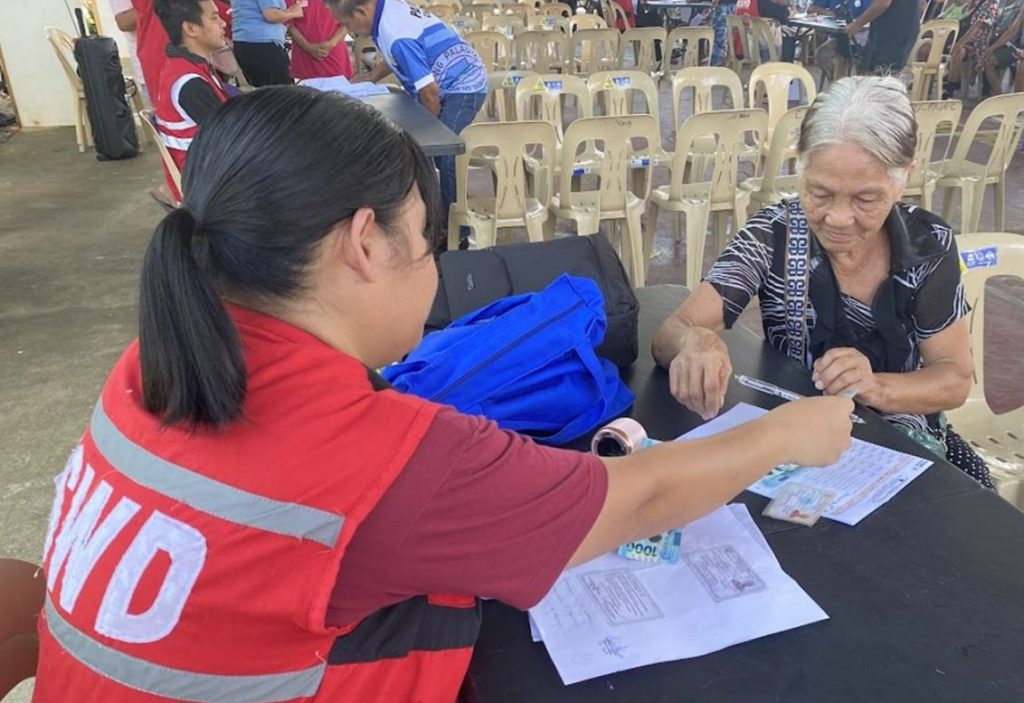
“Ang Social Pension Program ay nagbibigay ng tulong-pinansyal sa mga indigent senior citizens para makatulong sa pang-araw-araw na gastusin tulad ng pambili ng pagkain, gamot at iba pang pangunahing pangangailangan,” DSWD Secretary Rex Gatchalian explained.
(The Social Pension Program provides financial assistance to indigent senior citizens to help support their daily needs, including food, medicine, and other basic necessities.)
In a Palace briefing on Monday, Jan. 12, DSWD Secretary Rex Gatchalian announced that the agency’s budget has been increased to P264.45 billion for 2026, a significant increase from the P215.8 billion allocated in the previous year.
Within this expanded budget, the allocation specifically for the social pension program increased to P51.8 billion from P49.8 billion in 2025. This increased allocation is primarily earmarked to address the backlog in enrolling new beneficiaries due to funding limits, with hundreds of thousands validated as eligible but waitlisted for program inclusion.
Who are classified as indigent
The DSWD clarifies that the program targets the most vulnerable members of the elderly population. Under Republic Act No. 11916, an “indigent senior citizen” is defined as Filipino aged 60 and above who meets the following criteria:
- Physical condition: Frail, sickly, or living with a disability.
- Lack of pension: Not receiving any pension from the Social Security System (SSS), Government Service Insurance System (GSIS), or any private insurance company.
- No regular income: Without a permanent source of income.
- Lack of family support: Without regular financial assistance or support from family or relatives to meet basic needs.
Program benefits
Qualified beneficiaries under the SPISC are entitled to a monthly stipend of P1,000, which was doubled from the previous P500 to help the elderly cope with the rising costs of healthcare and basic necessities. These payouts are usually distributed on a quarterly basis, amounting to P3,000 every three (3) months.
Meanwhile, the DSWD clarified that while the SPISC is strictly for indigent seniors, other elderly citizens may still benefit from local initiatives. All senior citizens remain eligible to receive social pension programs based on the existing ordinances in their respective local government units (LGUs) under the Office for Senior Citizens Affairs (OSCA).
The broader funding of the DSWD also supports other key social welfare programs and disaster response initiatives. For social welfare, a total of P63.9 billion has been allotted to the implementation of the Assistance to Individuals in Crisis Situation (AICS) program, P9.56 billion for the supplemental feeding program, and P79.6 million for new development programs that center on youth empowerment, disability inclusion, and cybersecurity.
For disaster response, on the other hand, the DSWD’s Quick Response Fund (QRF) received an additional P1.75 billion. This will allow the agency to respond more effectively and rapidly to calamities. (JMP/PIA-NCR)